
Today's Learning Objective Understand the author's use of description and explain the effects of literary devices (personification, simile, imagery)
Build Background: The Circuit Today we begin reading an excerpt from Francisco Jiménez's memoir The Circuit. Like an autobiography, a memoir is an example of nonfiction and is a true account of a person's life written by that person. However, while an autobiography is typically longer and focuses on a large portion of a person's life, memoirs tend to be shorter and focused on a singular event or a certain part of a person's life.
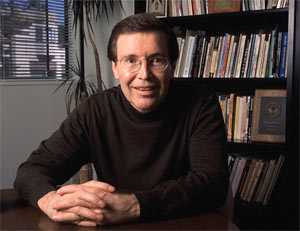 |
| Author Francisco Jiménez |
 |
| Francisco (Panchito) Jiménez, as a boy |

To understand a little more about the basic story of The Circuit, watch the video preview below.
Literary Devices One way that good writers, like Francisco Jiménez, make their stories come alive for their readers is by using literary devices, such as imagery, similes, and personification. Literary devices can help readers understand a character's life and surroundings. They also help readers form mental pictures of a story's setting and events.
We talked a lot about imagery yesterday, so today let's focus on similes and personification, which are examples of figurative language. In figurative language, writing goes beyond the actual meanings of words so the reader gains new insights into the objects or subjects in the work. When you describe something by comparing it to something else, for instance, you are using figurative language.
A simile is a comparison of two things that have some quality in common, and usually contains a word such as like, as, resembles, or than. For some examples of similes check out the short video below.
Personification is another type of figurative language. Personification is the giving of human qualities to an animal, object, or an idea. To see how personification works watch the video below.
Tomorrow, as we begin reading from The Circuit, be on the look out for imagery and examples of figurative language, such as similes and personification.
Homework Read from your A.R. book for at least 30 minutes and make a digital Reading Log entry.

No comments:
Post a Comment