Wednesday, November 18, 2015

Collaborative Assessment and a Video of the Day

Nicotine in tobacco fields poses health risks for farmworkers like Saray Cambray Alvarez, 14, pictured here.


Today's Learning Objective  Determine a central idea of a text and how it is conveyed through particular details.


Collaborative Assessment: 'Why Are Teens Working in Tobacco Fields? Today you and your teammates will have the opportunity to demonstrate what you have learned about the central ideas of the article from Junior Scholastic magazine entitled 'Why Are Teens Working in Tobacco Fields.' You are allowed to work collaboratively with the members of your group on the quiz, and are encouraged to refer back to the article to support your understanding of the text, especially when working on the constructed response portion of the assessment. You can access the quiz here

Video of the Day  "They have guns, but we have flowers." Watch a father comfort his son in the wake of the attacks on Paris.


Homework  (1.) Continue working on the story 100 Word Challenge: '... how could something so tiny ...' and Woodsong - Imagery, both of which are due on Friday, November 20. (2.) Read your A.R. book at home for at least 30 minutes and, if you choose, make a reading log entry using the Digital Reading Log. (Remember you must have made at least two entries by the end of the day Friday.)

Tuesday, November 17, 2015

Making Writing Exciting and Examining Child Labor


 Today's Learning Objective  Determine a central idea of a text and how it is conveyed through particular details.


Making Writing Exciting: Interactive Scary Story Activity  Today you will be acting as assistants to a book publisher and working to make one of their dull stories more exciting. The story "The Abandoned House" is not as scary or exciting as the publishers were hoping for. Your task is to substitute some of the story's nouns and verbs to make the story more vivid and engaging. You can find the activity here. Can you apply what you learned from this activity to making your own writing more vivid, exciting, and engaging?  

Guided Reading: 'Why Are Teens Working in Tobacco Fields? Today we are also going to continue our examination of issues related to child labor, as well as our exploration of nonfiction, by reading an article from Junior Scholastic magazine entitled 'Why Are Teens Working in Tobacco Fields.' As we read we will pay close attention to the central ideas of the article and the details that support those. Tomorrow you will take a short quiz assessing your understanding of the important ideas of the article. 

Homework  (1.) Continue working on the story 100 Word Challenge: '... how could something so tiny ...', which is due on Friday, November 20. (2.) Review the article 'Why Are Teens Working in Tobacco Fields' for tomorrow's quiz on its central ideas and details. (3.) Read your A.R. book at home for at least 30 minutes and, if you choose, make a reading log entry using the Digital Reading Log. (Remember you must have made at least two entries by the end of the day Friday.)

Monday, November 16, 2015

Imagery in 'Woodsong' and a 100 Word Challenge


 Today's Learning Objective    Recognize imagery and its effects. 

Guided Reading: Woodsong  Today we will continue reading from an excerpt of Woodsong by Gary Pauslen. You can find the reading selection here.

We will continue to use the document Imagery - Woodsong (located in your Language Arts Google Classroom) to record the examples of descriptions in Woodsong that appeal to the senses. This assignment will be due on Friday, November 20.

Creative Writing: A New 100 Word Challenge  This week's 100 Word Challenge will require you to imagine something very small playing an out-sized role in your story. What could it be? What has it done? You can find the document 100 Word Challenge: '... how could something so tiny ...' in your Language Arts Google Classroom.


Homework  (1.) Continue working on the document Imagery - Woodsong and the story 100 Word Challenge: '... how could something so tiny ...', both of which are due on Friday, November 20. (2.) Read your A.R. book at home for at least 30 minutes and, if you choose, make a reading log entry using the Digital Reading Log. (Remember you must have made at least two entries by the end of the day Friday.)

Friday, November 13, 2015

Imagery in Gary Paulsen's Woodsong


 Today's Learning Objective    Recognize imagery and its effects

Warm Up: 'The Circuit' Quiz  Today you will take a short quiz to demonstrate some of what you learned from the story "The Circuit". You can find the quiz here. If you complete the quiz early, you may silent read or take A.R. quizzes until the rest of your classmates are finished.   

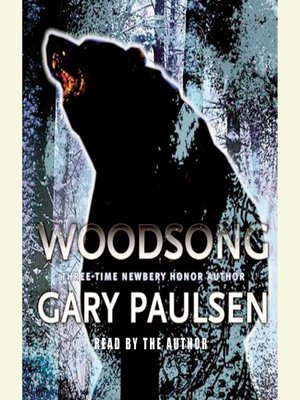
Build Background: Woodsong  Today we begin reading from Woodsong, a memoir by Gary Paulsen. Remember that a memoir is an example of nonfiction similar to an autobiography because it's a self-told life story, but it tends to be shorter and more focused on certain events. A memoir is essentially a writer's description of his or her own memories.

Gary Paulsen is one of America's most popular writers for young people. Although he was never a dedicated student, Paulsen developed a passion for reading at an early age. After a librarian gave him a book to read — along with his own library card — he was hooked. He began spending hours alone in the basement of his apartment building, reading one book after another. As a writer, he is best known for coming of age stories about the wilderness. Watch the brief video below in which Pauslen discusses his early life and the craft of writing.


Paulsen often writes about his own life in the wilderness of Minnesota, as he does in Woodsong. Wild animals, such as bears, were a part of Gary Paulsen's everyday life. Study the 'Build Background' text and map below to understand more about the place that serves as the setting in Woodsong


Guided Reading: Woodsong  Now we will begin reading from an excerpt of Woodsong by Gary Pauslen. You can find the reading selection here

As we read our job is to pay special attention to Paulsen's use of imagery. Remember that words that appeal to the the reader's five senses are called imagery. Imagery helps readers visualize and imagine how a person, place, or object, looks, feels, sounds, tastes, or smells. Gary Paulsen uses a variety of descriptions to help his words come to life. 


You will use document Imagery - Woodsong (located in your Language Arts Google Classroom) to record the examples of descriptions in Woodsong that appeal to the senses. This assignment will be due on Friday, November 20

Thursday, November 12, 2015

'The Circuit' and Sacred Reading Time


 Today's Learning Objective   Understand the author's use of description and explain the effects of literary devices (personification, simile, imagery)

Guided Reading: The Circuit  Today we will finish reading from The Circuit by Francisco Jiménez. You can find the reading selection here. We will also continue to analyze literary devices using the document The Circuit - Literary Devices and visualize descriptive writing using the document The Circuit - Visualizing

Sacred Reading Time  If time permits today, I want to offer you some uninterrupted class time to simply read and commune with your books. You may also use this time to take an A.R. test or complete a Digital Reading Log entry. Enjoy this time!

Homework  (1.) Complete the assignments The Circuit - Literary Devices and The Circuit - Visualizing, both of which are due tomorrow, Friday, November 13. (2.) Read your A.R. book at home for at least 30 minutes and, if you choose, make a reading log entry using the Digital Reading Log. (Remember you must have made at least two entries by the end of the day Friday.)
Tuesday, November 10, 2015

The Circuit by Francisco Jiménez


 Today's Learning Objective   Understand the author's use of description and explain the effects of literary devices (personification, simile, imagery)

Guided Reading: The Circuit  Today we will be reading from an excerpt of The Circuit by Francisco Jiménez. You can find the reading selection beginning on page 4 here.

As we read our job is to pay special attention to Jiménez's use of literary devices. You will use document The Circuit - Literary Devices (in your Language Arts Google Classroom) to make note of the imagery and figurative language, such as similes and personification, that you come across. 

Additionally, we are going to use Jiménez's use of figurative language, imagery, and descriptive details to practice visualizing. When you form a mental picture from a description, you are visualizing. You will use the document The Circuit - Visualizing (in your Language Arts Google Classroom) to describe the mental pictures you form form the details in the story.
  
Homework  (1.) Continue working on The Circuit - Literary Devices and The Circuit - Visualizing, both of which are due on Friday, November 13. (2.) Read your A.R. book at home for at least 30 minutes and, if you choose, make a reading log entry using the Digital Reading Log. (Remember you must have made at least two entries by the end of the day Friday.)  

Monday, November 9, 2015

Previewing 'The Circuit'


 Today's Learning Objective   Understand the author's use of description and explain the effects of literary devices (personification, simile, imagery)

Newsela Article: "Group pushes to protect children working on U.S. tobacco farms"  In light of our recent examination of child labor in the garment industry and the upcoming reading of an excerpt from Francisco Jiménez's The Circuit about his childhood growing up in migrant farming family, let's begin today by reading a recent article about the plight of children working on U.S. tobacco farms. You can find a link to the article in your a Language Arts Google Classroom. Please set the reading level to 950L. Read the article carefully. Take the quiz, and then write constructed response paragraph.
  
Build Background: The Circuit  Today we begin reading an excerpt from Francisco Jiménez's memoir The Circuit. Like an autobiography, a memoir is an example of nonfiction and is a true account of a person's life written by that person. However, while an autobiography is typically longer and focuses on a large portion of a person's life, memoirs tend to be shorter and focused on a singular event or a certain part of a person's life.


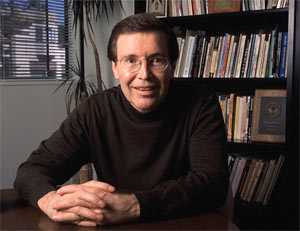
Author Francisco Jiménez
Jiménez's The Circuit is focused on his early memories of his life a young Mexican American boy in a family of migrant farm workers. Many of you in this class who are the children and grandchildren of migrant farm workers can probably relate to Jiménez's experiences as a boy, when he went by the name Panchito. 


Francisco (Panchito) Jiménez, as a boy
For additional background on life as a migrant farm worker, reference the text box below.


To understand a little more about the basic story of The Circuit, watch the video preview below.


Literary Devices  One way that good writers, like Francisco Jiménez, make their stories come alive for their readers is by using literary devices, such as imagery, similes, and personification. Literary devices can help readers understand a character's life and surroundings. They also help readers form mental pictures of a story's setting and events.  

Today let's focus on similes and personification, which are examples of figurative language. In figurative language, writing goes beyond the actual meanings of words so the reader gains new insights into the objects or subjects in the work. When you describe something by comparing it to something else, for instance, you are using figurative language. 

A simile is a comparison of two things that have some quality in common, and usually contains a word such as like, as, resembles, or thanFor some examples of similes check out the short video below. 


Personification is another type of figurative language. Personification is the giving of human qualities to an animal, object, or an idea. To see how personification works watch the video below.  


Tomorrow, as we begin reading from The Circuit, be on the look out for imagery and examples of figurative language, such as similes and personification. 

Homework  (1.) Continue working on your Newsela Article: "Group pushes to protect children working on U.S. tobacco farms", which is due on Friday, November 13. (2.) Read your A.R. book at home for at least 30 minutes and, if you choose, make a reading log entry using the Digital Reading Log. (Remember you must have made at least two entries by the end of the day Friday.)